What is Field Day and Winter Field Day?
Amateur radio offers a variety of engaging activities beyond regular conversations. Two popular events that test and showcase the capabilities of amateur radio operators in simulated emergency scenarios are ARRL Field Day and Winter Field Day (not affiliated with ARRL. While they share a common goal, they differ in timing and organization:
ARRL Field Day (in June):
- What it is:
- It’s an annual 24-hour operating event held on the fourth full weekend of June.
- The primary goal is to set up temporary radio stations in field locations and make as many contacts as possible.
- It’s a simulated emergency exercise, emphasizing the ability to operate independently of normal power sources and infrastructure.
- Many amateur radio clubs participate, making it a social and competitive event.
- This event is hosted by the ARRL (American Radio Relay League).
- Key aspects:
- Emergency preparedness: It tests the ability to set up and operate quickly in challenging conditions.
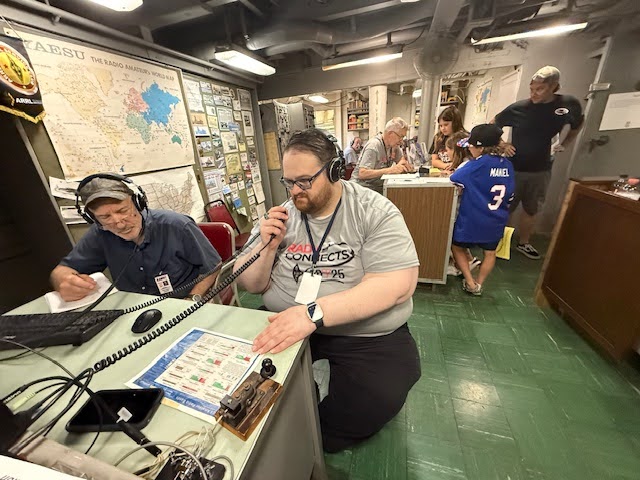
- Portable operations: Most participants operate from outdoor locations, using portable antennas and generators or batteries.
- Contact making: The goal is to make as many contacts as possible during the 24-hour period.
- Community and learning: It’s a great opportunity to learn from experienced operators and build camaraderie.
- Scoring: Points are awarded for various aspects of the operation, including the number of contacts made, the use of emergency power, and participation in specific activities.
Winter Field Day (in January):
- What it is:
- It’s a similar event to ARRL Field Day, but it’s held in the winter, usually during the last full weekend of January.
- The purpose is to test the ability to operate in cold weather conditions.
- This event is hosted by the Winter Field Day Association.
- Key aspects:
- Cold-weather operations: It focuses on the challenges of operating in freezing temperatures.
- Increased difficulty: Winter Field Day often presents more challenging conditions than the summer event.
- Portable operations: Like summer Field Day, it emphasizes portable operations and emergency preparedness.
- Testing equipment: It’s a good opportunity to test the performance of equipment in cold weather.
- Hardiness: Proving that amateur radio operators can still provide communication in the harshest of conditions.
In summary:
- Both Field Day events are about setting up temporary radio stations and making contacts.
- Summer Field Day, hosted by the ARRL, is a large, well-known event that tests emergency preparedness.
- Winter Field Day, hosted by the Winter Field Day Association, tests those same skills, but in harsh winter conditions.
- They’re both fun and educational events that help amateur radio operators improve their skills and prepare for emergencies.