What is EmComm?
Emergency Communications, or EmComm, within the realm of amateur radio, represents a dedicated and vital service provided by licensed radio operators to support communities and emergency response agencies during times of crisis. It extends far beyond casual radio conversations, encompassing a structured and organized effort to ensure reliable communication when traditional systems fail. Here’s a more in-depth look:
Core Principles and Purpose:
- Reliability in Crisis:
- EmComm emphasizes the ability of amateur radio to function independently of vulnerable infrastructure like cellular networks, internet services, and landline telephone systems. This redundancy is crucial during natural disasters, severe weather, and other emergencies that can disrupt conventional communication.
- Public Service and Community Support:
- Amateur radio operators involved in EmComm are driven by a strong sense of public service. They volunteer their time, skills, and equipment to support local, regional, and even national emergency response efforts.
- This support extends to various entities, including:
- Emergency management agencies (e.g., FEMA, local emergency operations centers).
- Law enforcement and fire departments.
- Hospitals and medical facilities.
- Shelters and relief organizations.
- Community groups and non-profit organizations
- Flexibility and Adaptability:
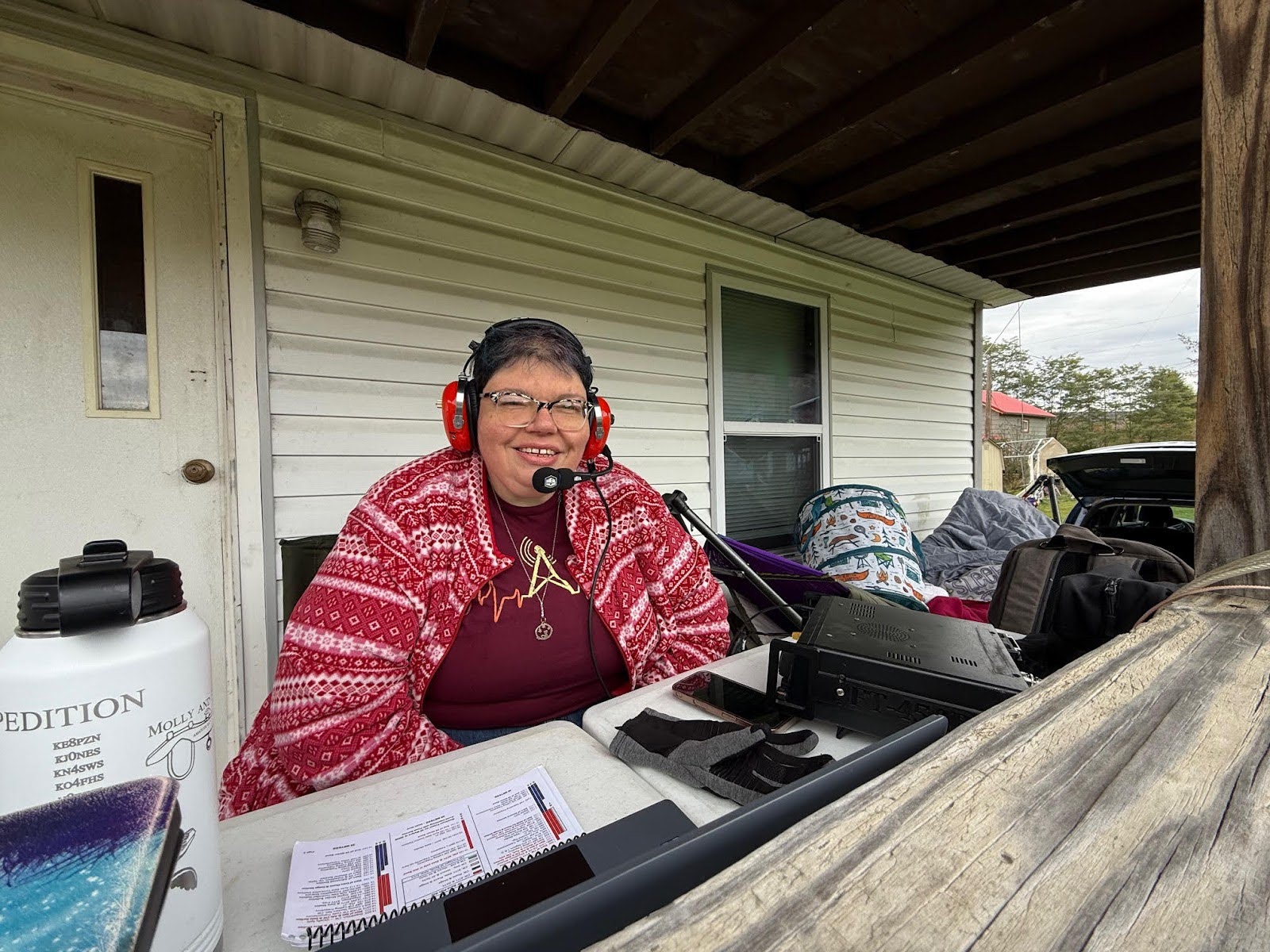
- Amateur radio’s inherent flexibility allows operators to quickly establish communication networks in diverse and challenging environments.
- This includes setting up portable stations in remote locations, deploying mobile units to disaster zones, and utilizing various communication modes (voice, digital, data) to transmit critical information.
- Training and Preparedness:
- EmComm requires rigorous training and preparedness. Operators participate in regular drills, exercises, and training sessions to maintain their skills and ensure they are ready to respond effectively.
- This training covers topics such as:
- Emergency communication protocols.
- Equipment operation and maintenance.
- Incident command system (ICS) procedures.
- Disaster response strategies.
- Message handling.
- Interoperability:
- EmComm emphasizes interoperability, meaning the ability of different communication systems to work together seamlessly.
- Amateur radio operators often work alongside other communication professionals, ensuring that critical information can be shared across various agencies and organizations.
Practical Applications:
- Disaster Response:
- Providing communication support during hurricanes, earthquakes, wildfires, and other natural disasters.
- Relaying critical information about evacuation orders, shelter locations, and resource availability.
- Public Events:
- Supporting communication for large-scale public events, such as marathons, parades, and festivals.
- Search and Rescue:
- Assisting search and rescue teams by providing communication links in remote or challenging terrain.
- Community Events:
- Providing communication for community events that require large amounts of coordination.
In essence, EmComm is a highly organized and essential aspect of amateur radio, providing a vital lifeline during emergencies and demonstrating the power of community-driven communication.