What is DXing? The Thrill of Long-Distance Contacts
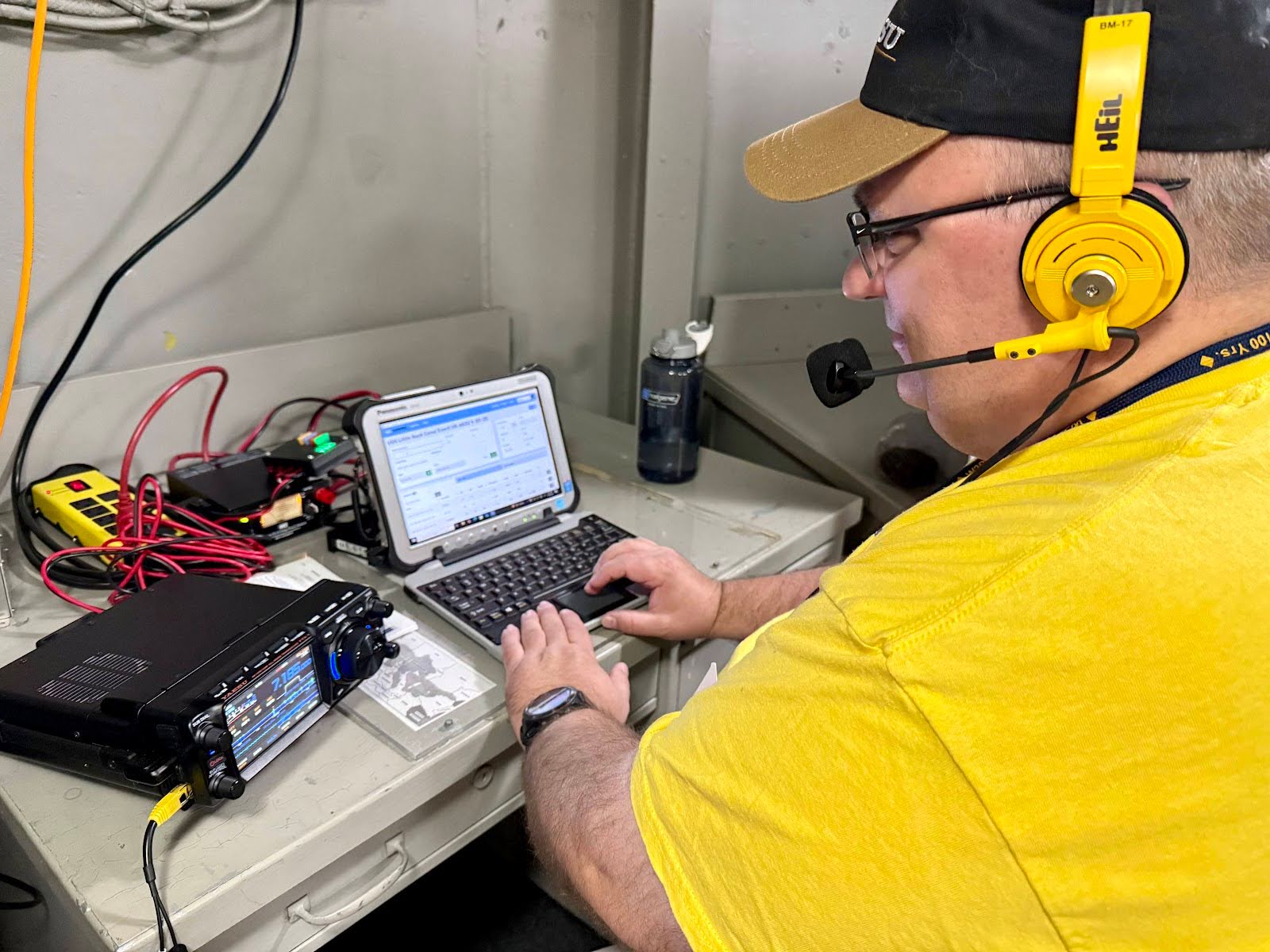
DXing is the pursuit of making contact with distant radio stations. The term “DX” is derived from the telegraphic shorthand for “distance.” It’s a challenging and rewarding aspect of the hobby, driven by the desire to connect with far-flung locations across the globe.
Why DXing?
- The Challenge:
- DXing presents a unique technical challenge, requiring operators to understand radio propagation, optimize their antennas, and utilize effective operating techniques.
- Successfully contacting a rare or distant station can be a significant accomplishment.
- Global Connection:
- DXing fosters a sense of global community, allowing operators to connect with people from diverse cultures and backgrounds.
- It’s a way to experience the world from the comfort of your own radio shack.
- Awards and Recognition:
- Various awards programs, such as the ARRL’s DX Century Club (DXCC), recognize and reward operators for their DXing achievements.
- This adds an element of friendly competition and encourages continuous improvement.
- Propagation Knowledge:
- DXing requires a good understanding of how radio waves propagate around the earth. This requires the radio operator to study solar weather, and the ionosphere.
Key Aspects of DXing:
- Propagation:
- Understanding radio wave propagation is essential for successful DXing. Factors such as the ionosphere, solar activity, and atmospheric conditions can significantly impact signal strength and range.
- Operators use propagation forecasts and real-time information to determine optimal times and frequencies for DX contacts.
- Antennas:
- High-performance antennas are crucial for maximizing signal strength and receiving weak signals from distant stations.
- Operators may use a variety of antenna types, including directional antennas like Yagis and beams, as well as wire antennas.
- Operating Techniques:
- Effective operating techniques, such as using clear and concise language, listening carefully, and utilizing appropriate modes (CW, SSB, digital), are essential for making successful DX contacts.
- DX Clusters:
- DX clusters are online networks that provide real-time information on DX activity, allowing operators to quickly locate and contact rare stations.
- These clusters share frequency, callsign, and location information.
- QSLing:
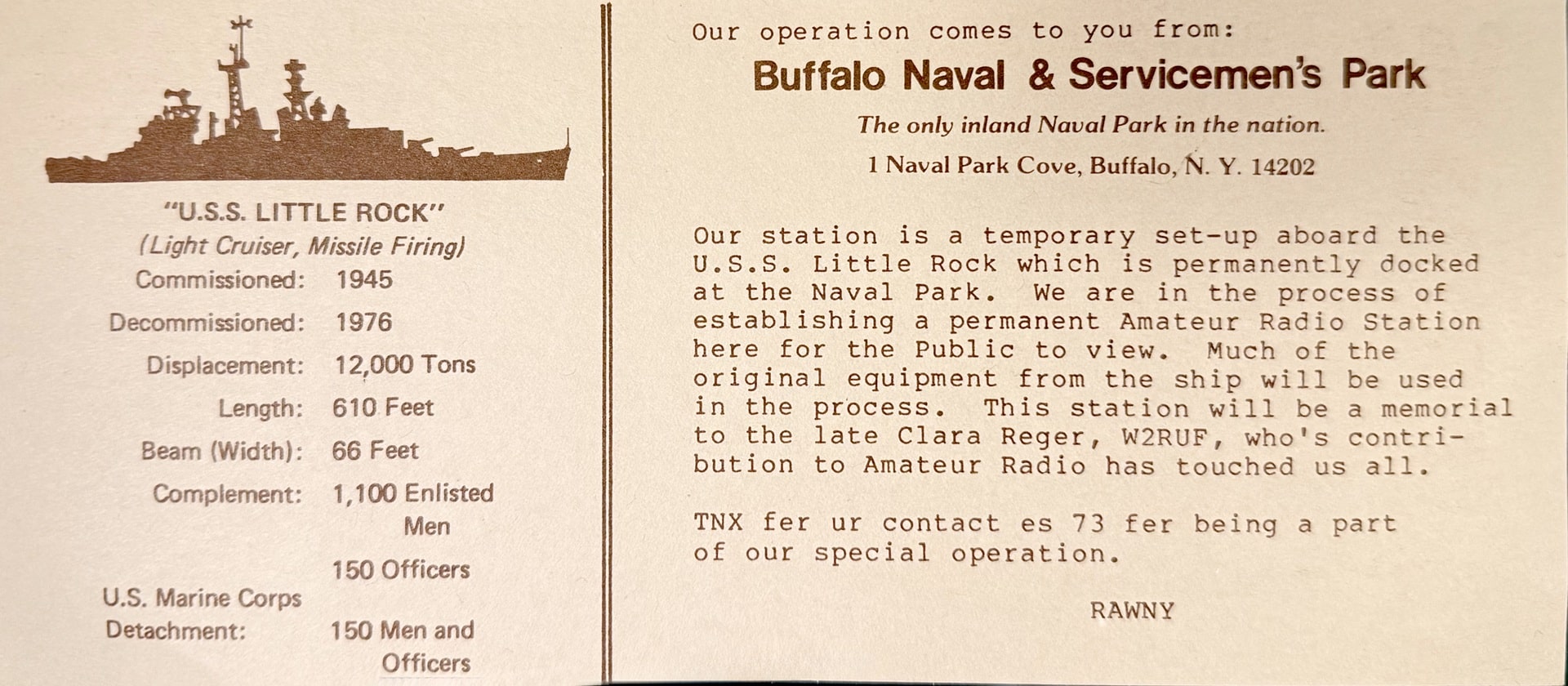
- QSL cards are postcards exchanged between amateur radio operators to confirm a contact.
- QSLing is an important part of DXing, as it provides physical proof of a contact and is often required for award applications.
- The ARRL’s Logbook of the World (LoTW) is a very popular electronic QSLing service.
DXing is a rewarding and challenging aspect of amateur radio that offers endless opportunities for exploration and discovery. It’s a chance to connect with the world and experience the thrill of long-distance communication.